Le Travelworld


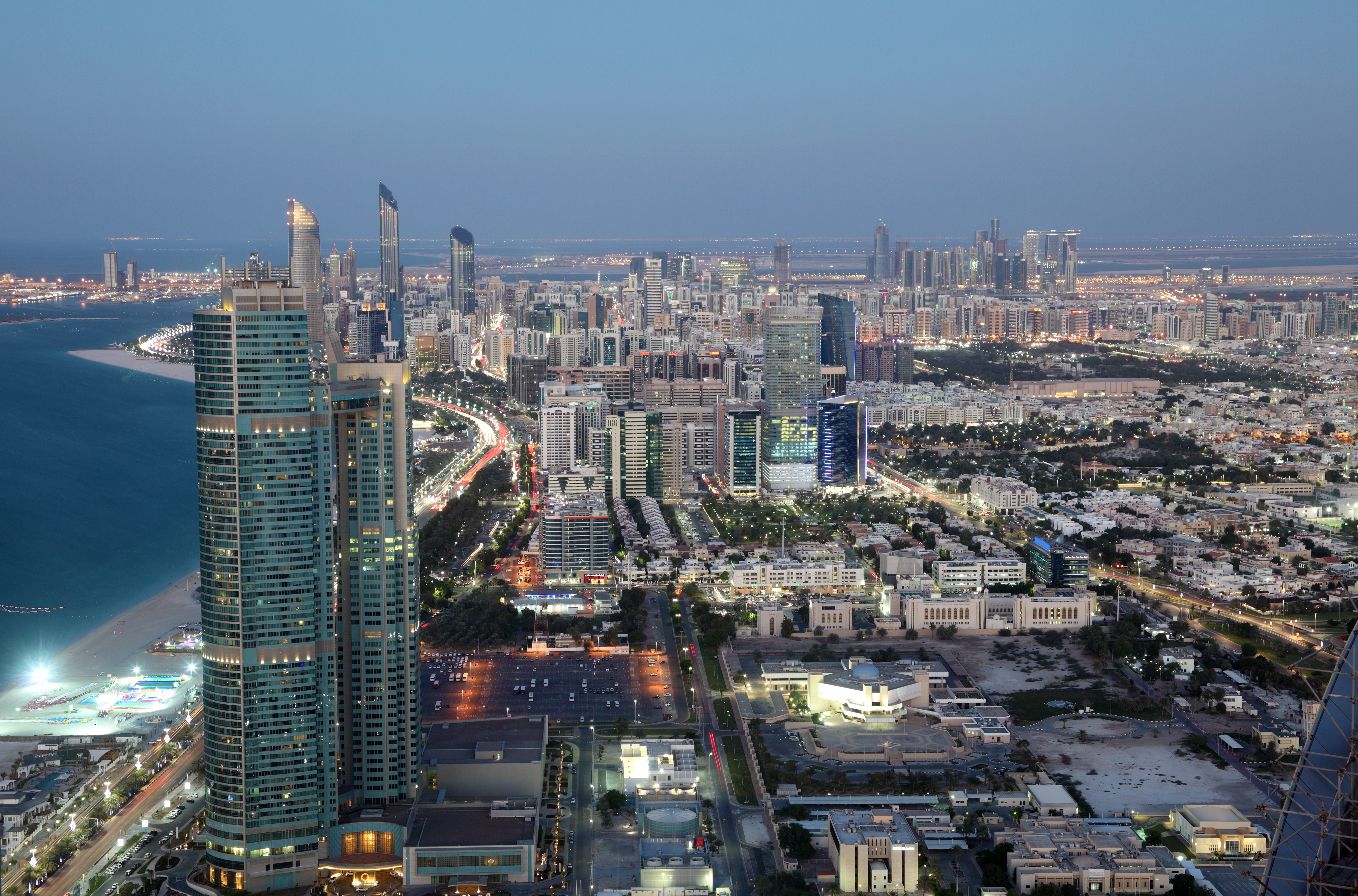
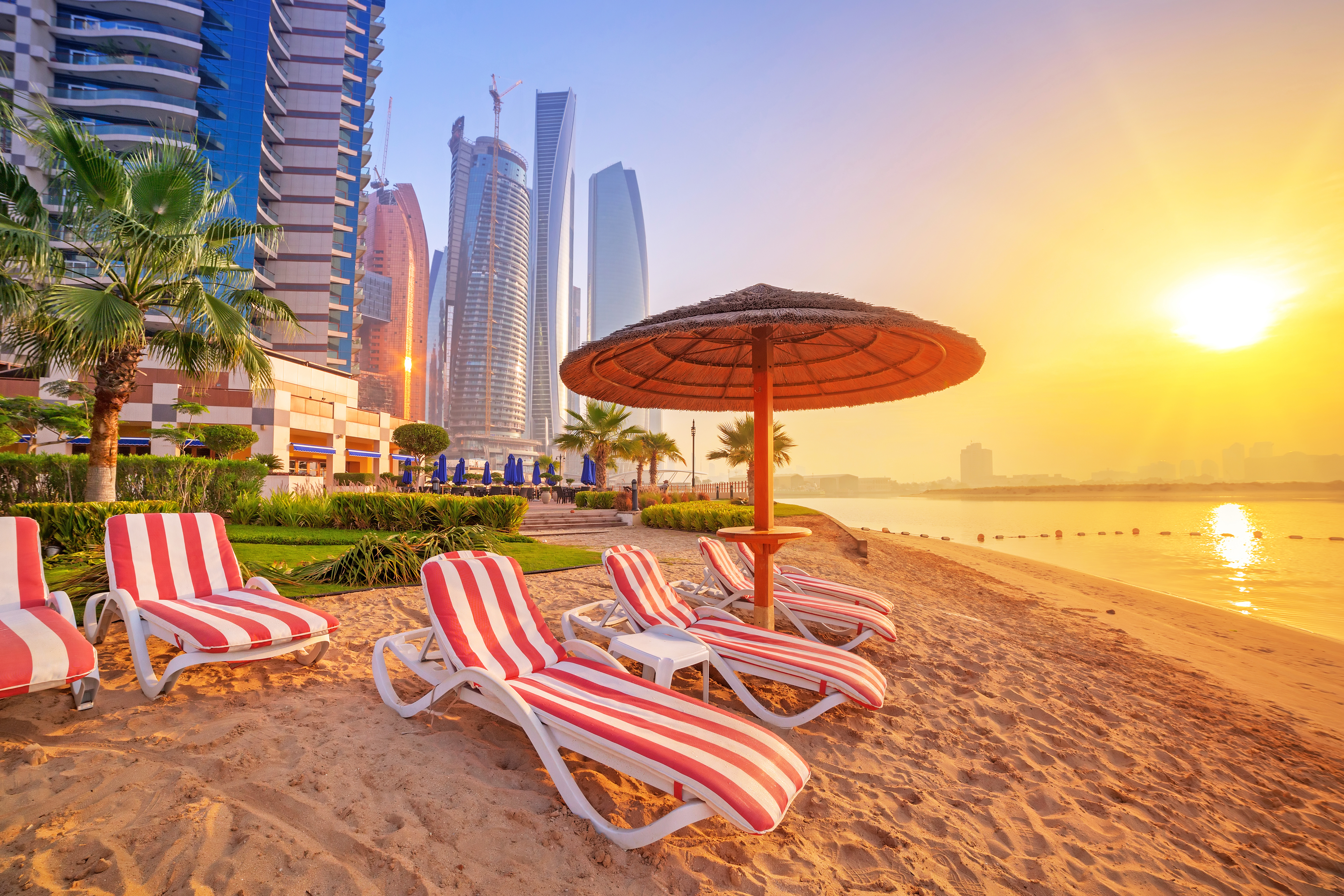
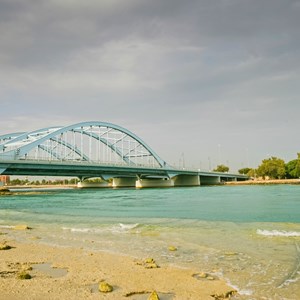
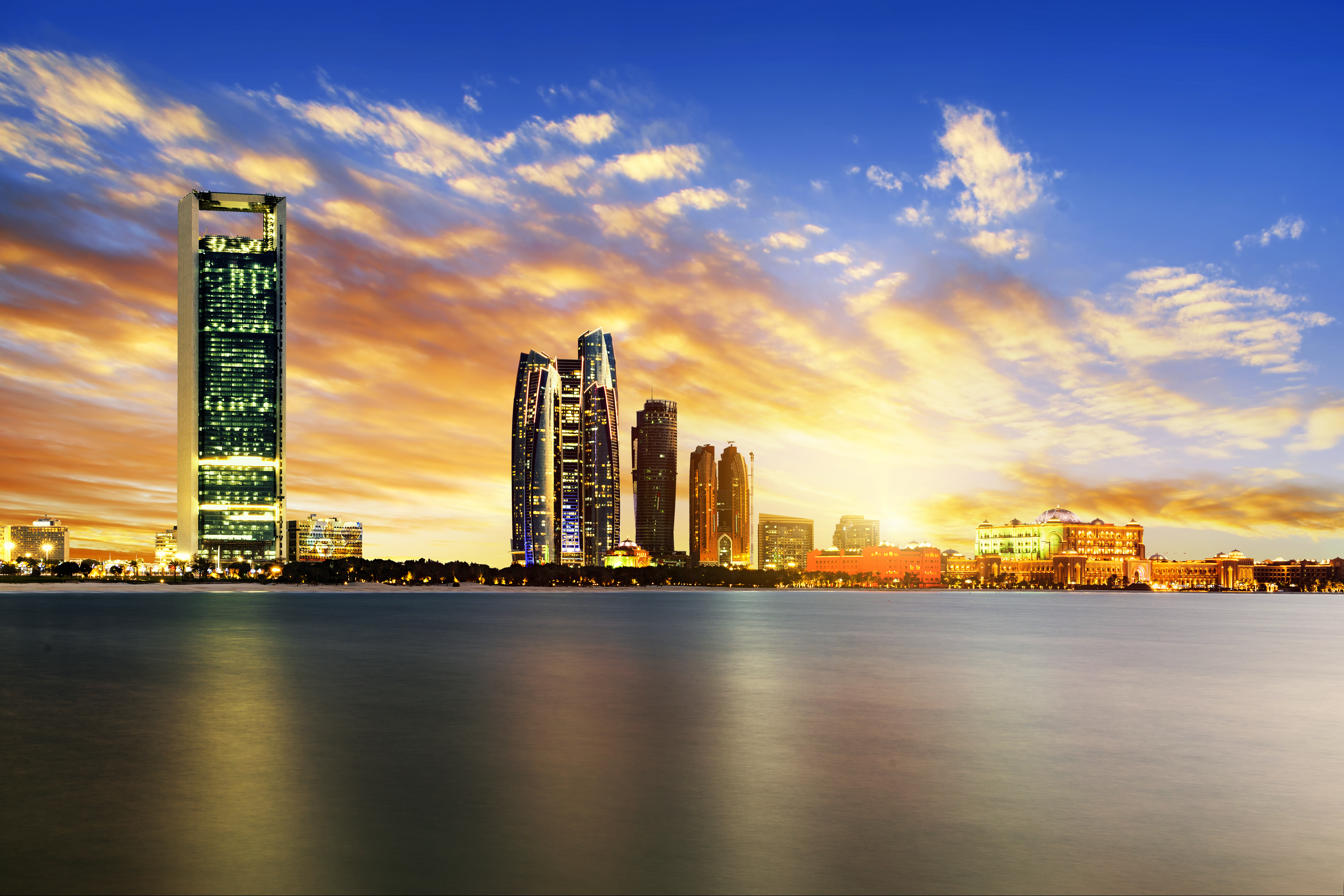
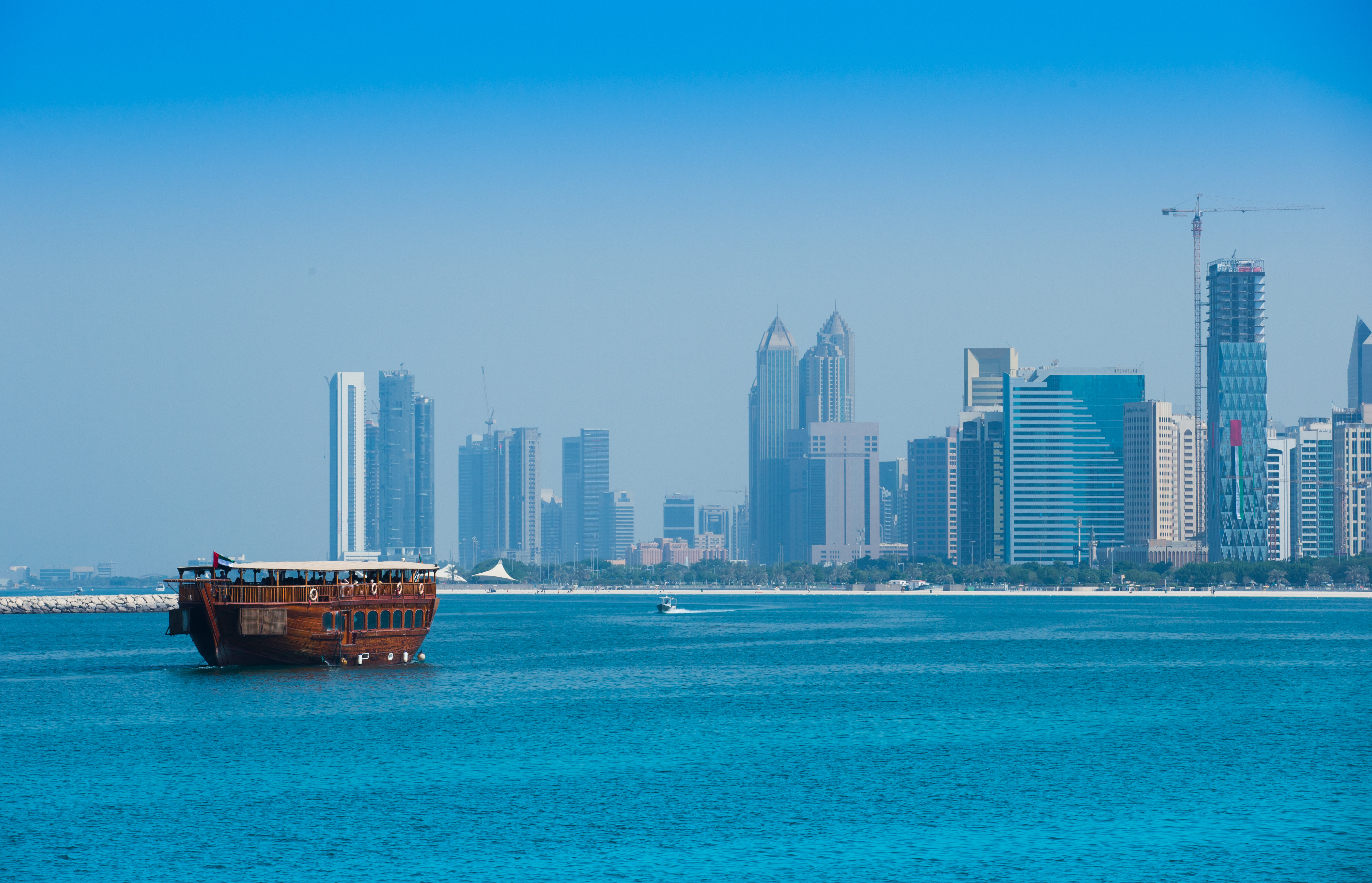
With glass skyscrapers that reflect the bustle of daily life, magnificent buildings such as the Emirates Palace, its lively souqs, excellent restaurants and long stretches of white beaches lapped by the crystal clear waters of the Gulf, Abu Dhabi is a city of outstanding contrasts.
Abu Dhabi can trace its history way back to the Bronze Age and has a long tradition of profitable trading. However, it wasn’t until the 1950s — when oil was found — that it was transformed from its desert landscape into the fabulous city it is today. Designed in a grid-like fashion with wide open spaces and boulevards, this is the second-largest city in the oil-rich United Arab Emirates, after its neighbour Dubai, and also the seat of government and capital of the emirate of Abu Dhabi.
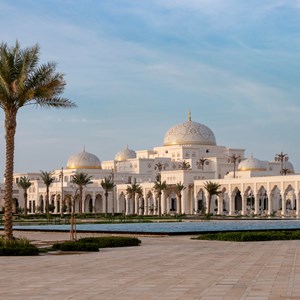
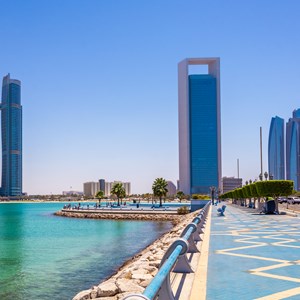
Daily life centres around its main thoroughfares, including the busy Sheikh Zayed Street and the paved waterfront Corniche. Always bustling, the Corniche is where you can admire the stunning pink-washed Emirates Palace at the Ras Al Bateen, built as a hotel for visiting royalty, and locals can be seen jogging or cycling with much enthusiasm. Families with children and leisure walkers regularly enjoy the atmosphere.
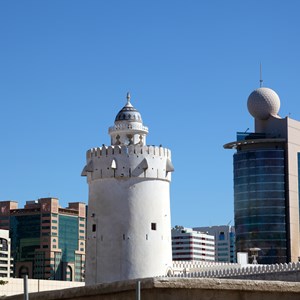
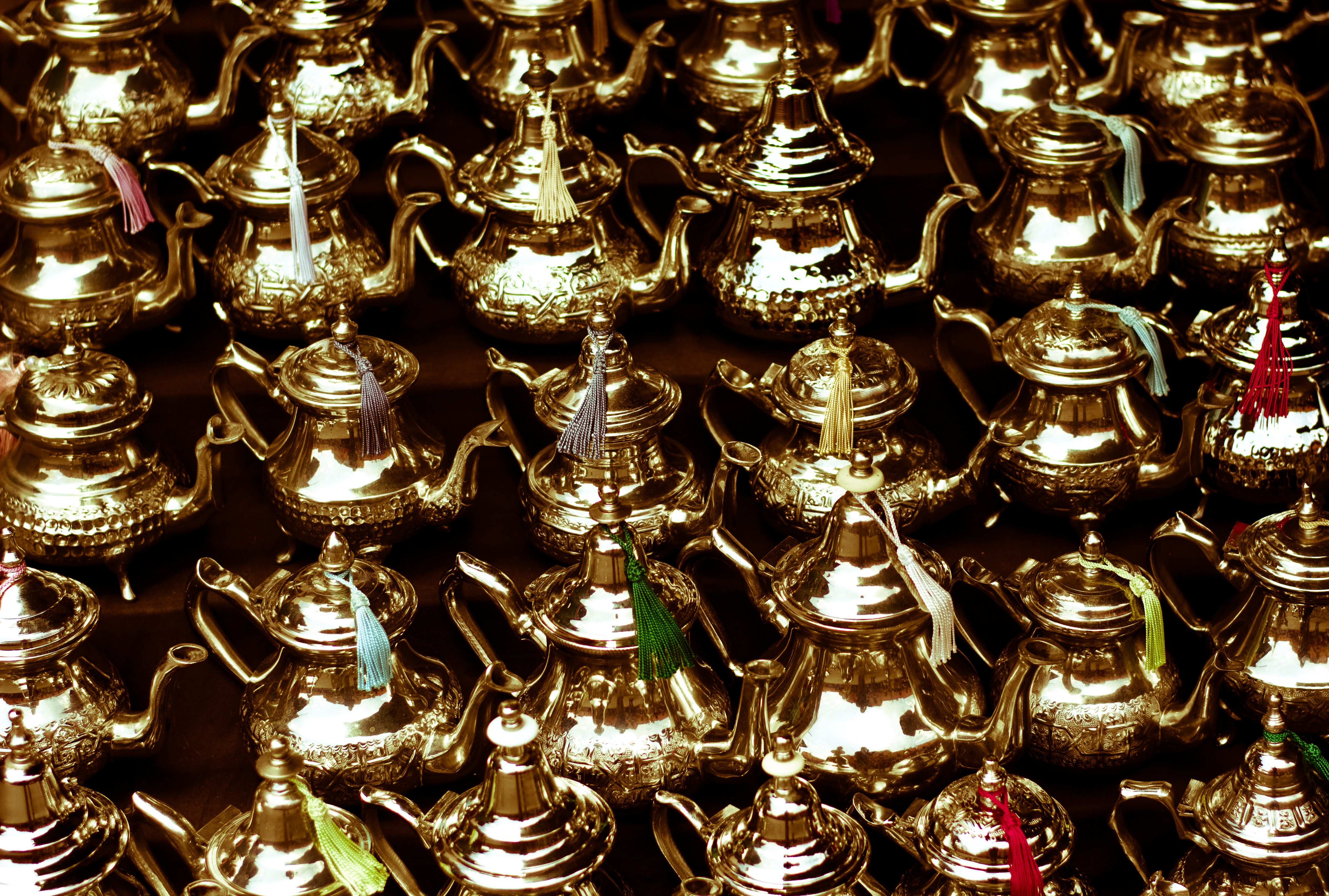
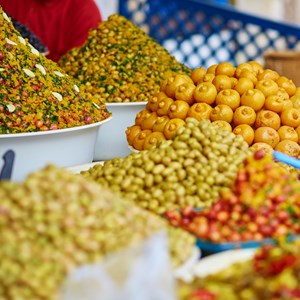
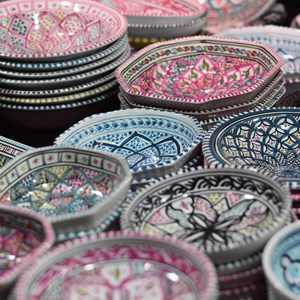
A short walk from the water's edge, are streets full of shiny new skyscrapers that house the city’s financial and banking institutions, its world-famous company offices and its government buildings. At the pavement level, hotels and restaurants cater for every taste, while shopping malls are full of designer fashions. In contrast, the many souqs offer gold, spices or traditional craft items.
Abu Dhabi’s attractions are diverse and vary from landmark architectural triumphs to centuries-old structures and beaches. The Corniche sweeps along the waterfront from one side of the city to the other, passing by the lavishly planted Al Markaziyah Gardens, one of the many parks in the city, and Lulu Island across the water, delightful with its palm trees and nature reserve.
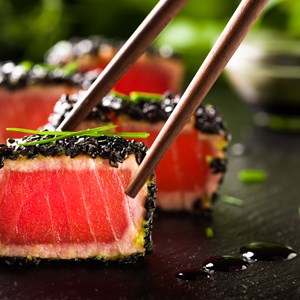
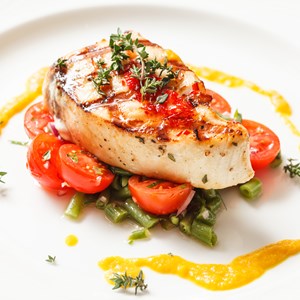
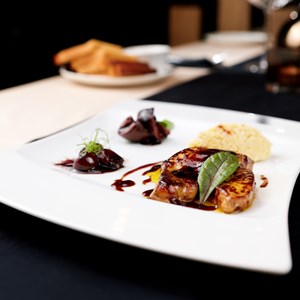
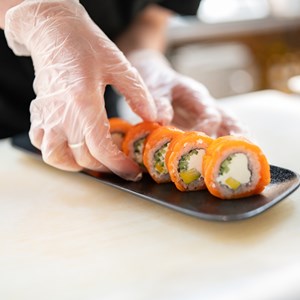
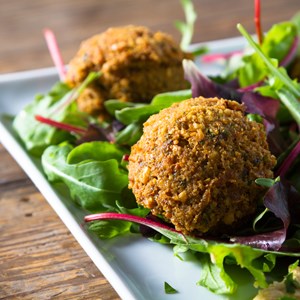
Emirati cuisine is quite cosmopolitan and you can find food from all over the world. The specific food for the United Arab Emirates is a blend of Asian and Middle Eastern cooking.
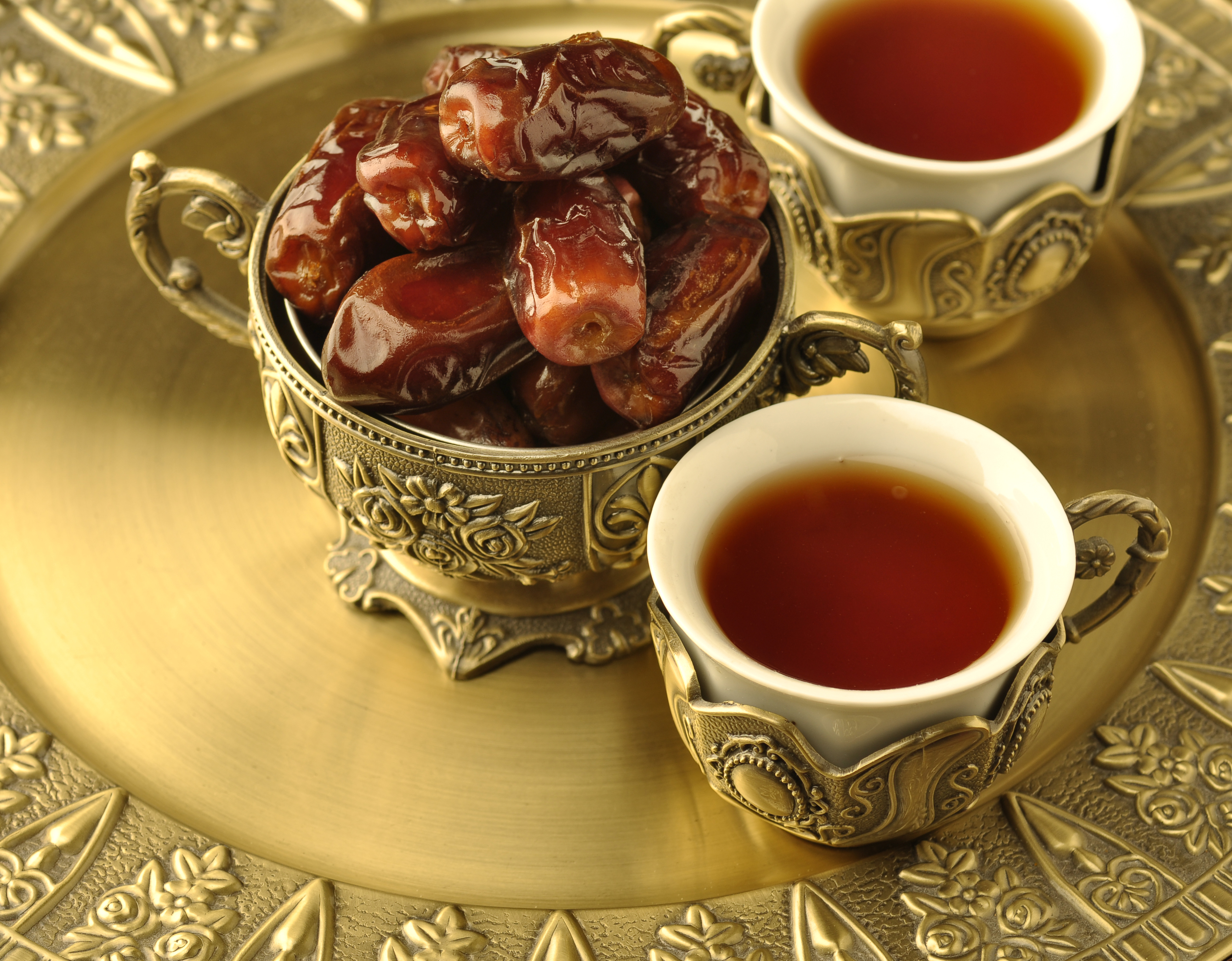
Breakfast is usually bread served with cheese or egg, while the main meals contain plenty of meat, grain and dairy. People often drink a cup of red tea with mint after dinner, as it helps the digestion.
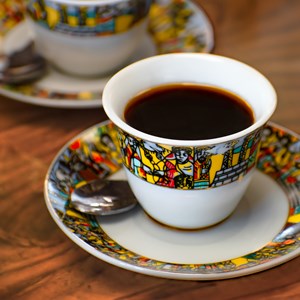
Abu Dhabi offers a vibrant café and tea culture that blends tradition with modernity. You can enjoy traditional Arabic coffee, gahwa, flavoured with cardamom and saffron at cultural coffee houses, or savour strong, spiced Karak tea at local cafeterias and roadside stalls.
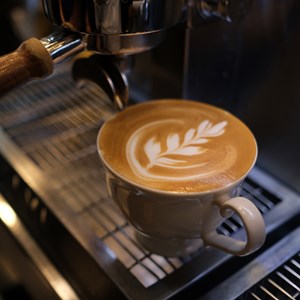
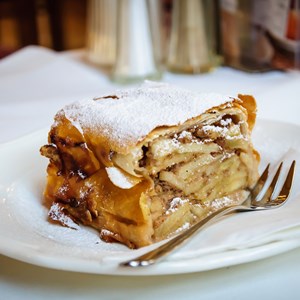
The city's café scene includes artisanal coffee shops like The Third Place Café, where high-quality beans and innovative brews are served in stylish settings. For a touch of luxury, indulge in high tea at upscale hotels like the Emirates Palace, featuring a variety of teas, pastries, and stunning views.
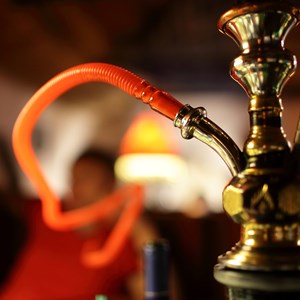
Abu Dhabi has a good choice of bars and nightclubs, although almost all of them will be found inside hotels. Hookah lounges are popular, as are rooftop bars and establishments offering stunning views over the shining UAE capital. Alcohol is served freely to non-Muslims.
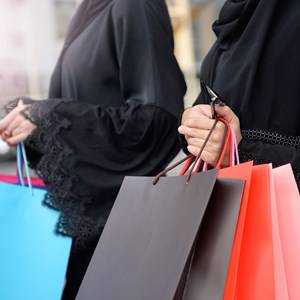
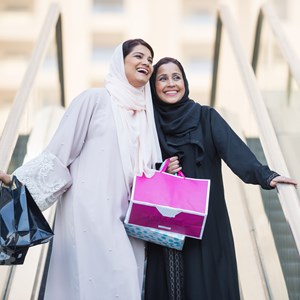
Whether you choose to haggle for a bargain at a bustling market, otherwise known as a souk, or spend time in a lavish air-conditioned mall just off the Corniche, shopping in Abu Dhabi will be a memorable experience.
Traditional purchases include carpets, rugs, textiles, gold, and spices, all of which can be found in dedicated souks where lots of stalls selling the same thing are grouped together. An example is the Gold Souk, not far from Sheikh Rashid Bin Saeed Al-Maktoum Street. Such items can be found in general souks too, or in specialist shops.
Souks are also good for finding antiques or craft items to take home as souvenirs. In contrast, shopping malls tend to be full of expensive jewellery and designer fashion.
Passport & Visa
Entry requirements for Abu Dhabi (and the UAE generally) depend on your nationality and travel document. Citizens of Gulf Cooperation Council (GCC) states do not need a visa and may enter with a passport or national ID. Many nationalities — including those from the European Union, the UK, the United States, Canada, Australia, New Zealand, Japan, South Korea, Singapore, and Malaysia — are eligible for a visa on arrival, typically valid for 30 or 90 days depending on nationality.
Nationals who are not eligible for a visa-on-arrival must obtain a visa before travelling. Passport validity of at least six months beyond your date of arrival is generally required. For the most accurate and up-to-date information, always check with the nearest UAE embassy or the official UAE government visa portal before booking travel.
Address:
Email:
Phone:
Website:
More Information:
Zayed International Airport (AUH)
Zayed International Airport (AUH) is the main international gateway for Abu Dhabi, located about 30 km from the city centre. Public buses operate from the airport to central Abu Dhabi, with the A1 service running regularly (typically every 30–40 minutes) and taking around 45–60 minutes to reach major stops such as Al Zahiyah and Abu Dhabi Central Bus Station; other routes connect to Al Ain and other regional destinations. Metered taxis and app-based services like Uber and Careem are available 24/7 outside the arrivals hall for more direct transport into the city.
Address: Zayed International Airport - Abu Dhabi
Email:
Phone: +971 2 505 5555
Website: www.zayedinternationalairport.ae/en
More Information:
Best Time to Visit
Winter is the best period to come to Abu Dhabi in terms of weather: temperatures are not too hot and not too humid, which makes this the peak season. It is advisable to avoid the extremely hot summer months, although hotel rates are at their lowest then and not many tourists will be visiting the city.
Abu Dhabi can be doable in spring, between April and May, or fall, from September to October, both periods marked by pleasant weather, with prices starting to decrease in springtime, but on the rise in the fall season, as winter approaches. Also, many sporting and cultural events are held between April and May.
Address:
Email:
Phone:
Website:
More Information:
Public Transport
Abu Dhabi has a growing and increasingly efficient public transport network. The city’s bus system, operated by the Department of Transport (DoT), is extensive, with blue-and-white buses running along major routes across the city and to nearby suburbs. Tickets are purchased using a Hafilat Smartcard, which can be loaded at ticket vending machines located at bus stations, major stops, or DoT Customer Service Centers. Simply tap your card on the reader when boarding and exiting to validate your journey.
Ferry services also operate on selected routes, connecting coastal areas and offering a scenic alternative to road travel. Passengers are generally advised to arrive at least 30 minutes before departure and carry a valid ID.
Although Abu Dhabi does not currently have a fully operational metro, plans for a rapid transit network are in development. For now, taxis, ride‑hailing apps, and private car hire remain the most flexible ways to cover longer distances or reach destinations not served by buses.
Address:
Email:
Phone:
Website:
More Information:
Taxi
Taxis are a convenient and affordable way to get around Abu Dhabi, with vehicles readily available throughout the city. Ride-hailing apps such as Uber, Careem, and Bolt also operate across the capital.
Address:
Email:
Phone:
Website:
More Information:
Post
There are many post offices in Abu Dhabi, which are operated by Emirates Post. The main one is the Central Post Office, located in Zayed City, close to the Gold Souk.
Address: Murour Road, Zayed City - Abu Dhabi
Email:
Phone: +971 600 569696
Website: www.emiratespost.ae
More Information:
Pharmacy
In Abu Dhabi, several main pharmacy chains provide a wide range of pharmaceutical products and healthcare services. Some of the prominent ones include Aster Pharmacy, Boots, Life Pharmacy, and Al Manara. For medical emergencies, call 998.
Address: Al Manara Pharmacy - Abu Dhabi Mall
Email:
Phone: +971 56 426 1170
Website: emanara.com
More Information:
Telephone
Country code: 971
Area code: 2
Address:
Email:
Phone:
Website:
More Information:
Electricity
In Abu Dhabi and throughout the United Arab Emirates, the standard plug type is G, characterised by three rectangular pins arranged in a triangular pattern. The electrical system operates on a 230V supply voltage with a frequency of 50Hz.
Address:
Email:
Phone:
Website:
More Information: